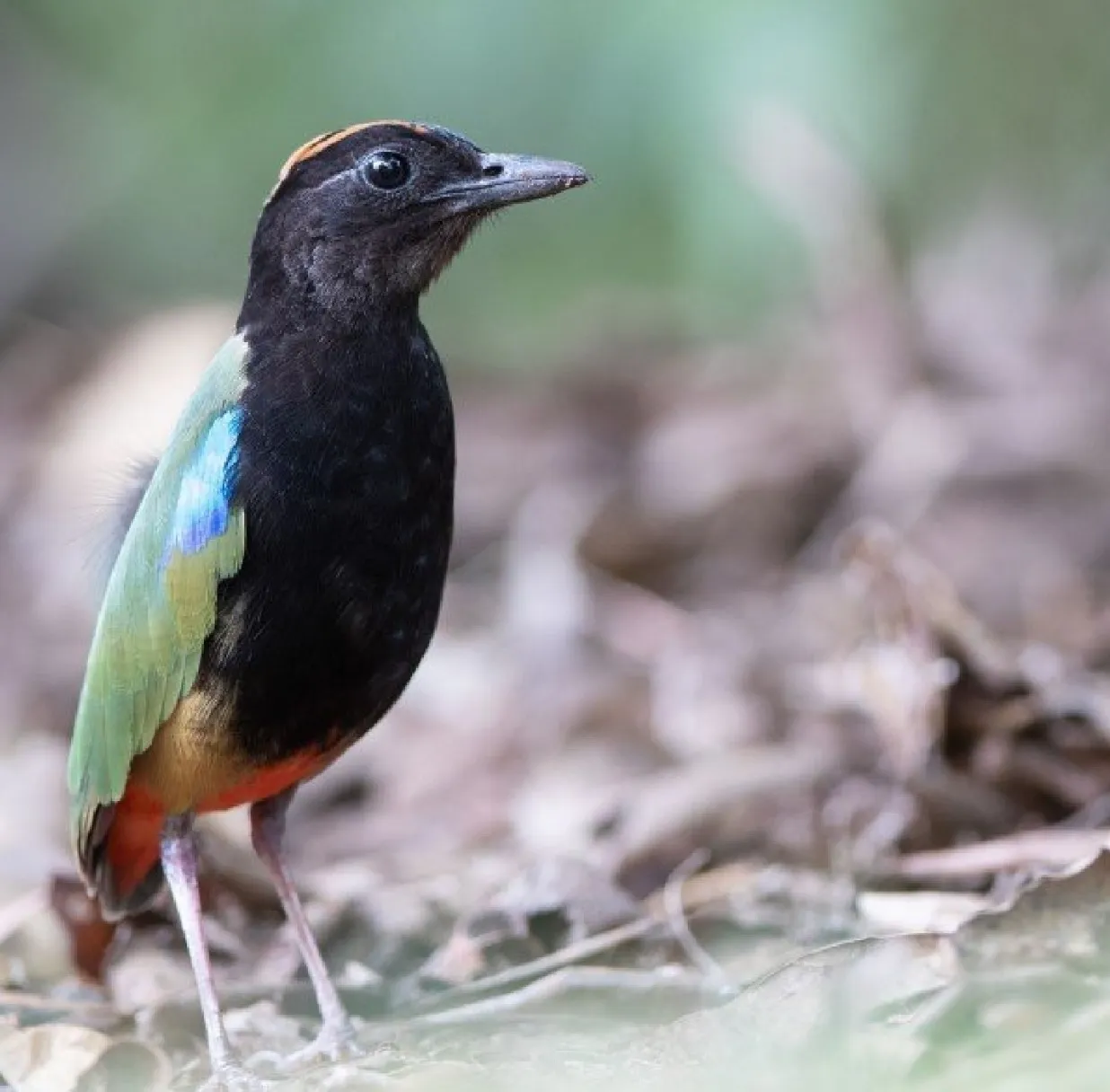
If you’re heading north with binoculars in the glovebox and dreams of spotting a Rainbow Pitta, you’re in the right mob. Kakadu National Park isn’t just a polite walk in the park — it’s a dusty, squelchy, mozzie-ridden adventure through Country that’s older than time. So here is your birdwatching itinerary for Kakadu.
I’ve camped here in the dry when the creeks are bone-dry, and waded through the wet when you’re sweating like a bull. Either way, Kakadu delivers the goods. But she won’t serve ‘em up on a silver platter — you’ll need a plan, respect for the Traditional Owners, and probably a spare set of socks.
Today, I’ll help you build a real itinerary — no brochure-speak, no fake “hidden paradise” nonsense. Just the truth about where to go, what to pack, when to go, and how to do it right.
Planning Your Trip: Don’t Get Stuck in a Billabong
Kakadu National Park isn’t your local botanic gardens. It’s the Top End at its realest, with crocodiles that’d eat your drone, dirt roads that’ll rattle your fillings, and a wet season that shuts it down flat as a pancake.
Here’s the honest run-down:
- Best Season: Dry season (May–October). Tracks are open, mozzies are bearable, and the birds congregate around the last remaining waterholes. Wet season? You’ll see birds, but you’ll need a boat or a helicopter — and the mozzies will carry you off.
- Permits: NT Parks Pass is mandatory. Some sites are on Aboriginal land with restricted access — respect signage and Traditional Owner guidance.
- Fuel: Fill up at Jabiru. Don’t bet on your tank making it back from Ubirr if you forgot.
- Croc-wise: Don’t be a goose. Heed the signs, don’t swim where you shouldn’t, and watch the banks.
- The Arnhem Highway: The main approach is via the Arnhem Highway, a long stretch that looks inviting on Google Maps but can flood, crack, and sprout more roadkill than you’d believe — plan your fuel stops and don’t trust the GPS to know which crossings are closed.
- Kakadu tours from Darwin: Plenty of folks base themselves in Darwin and book Kakadu tours from Darwin — handy if you don’t fancy tackling the Arnhem Highway in your own rig, or just want someone else to handle the croc warnings.
- Gear checklist:
- Binoculars (8×42 or better)
- Bird field guide (Slater’s or Pizzey’s)
- Fly net (absolute lifesaver)
- Mozzie repellent (and a Plan B)
- Wide-brim hat
- 2–3 litres water per person
- Offline maps / Kakadu Visitors Guide
- Camera with zoom lens (300mm+ if you’re serious)
- Sensible shoes — no thongs on the tracks
When I first visited in the late dry, I learned real fast that forgetting a fly net is the sort of mistake you make only once.
The Essential Itinerary (5–7 Days)
This itinerary is designed for independent travellers with a 4WD (or a good hire company and plenty of insurance). You can adapt it for guided tours — some of the best local guides operate out of Jabiru. If you’re after a guided option, Wayoutback Tours runs trips that actually get you onto Country, not just out of the bus for quick photos.
If you’re short on time, there are solid 2 Day Kakadu tours that pack in the classics without making you feel like you’re on a school excursion — just check that they include the wetlands and a cruise, not just roadside photo stops.
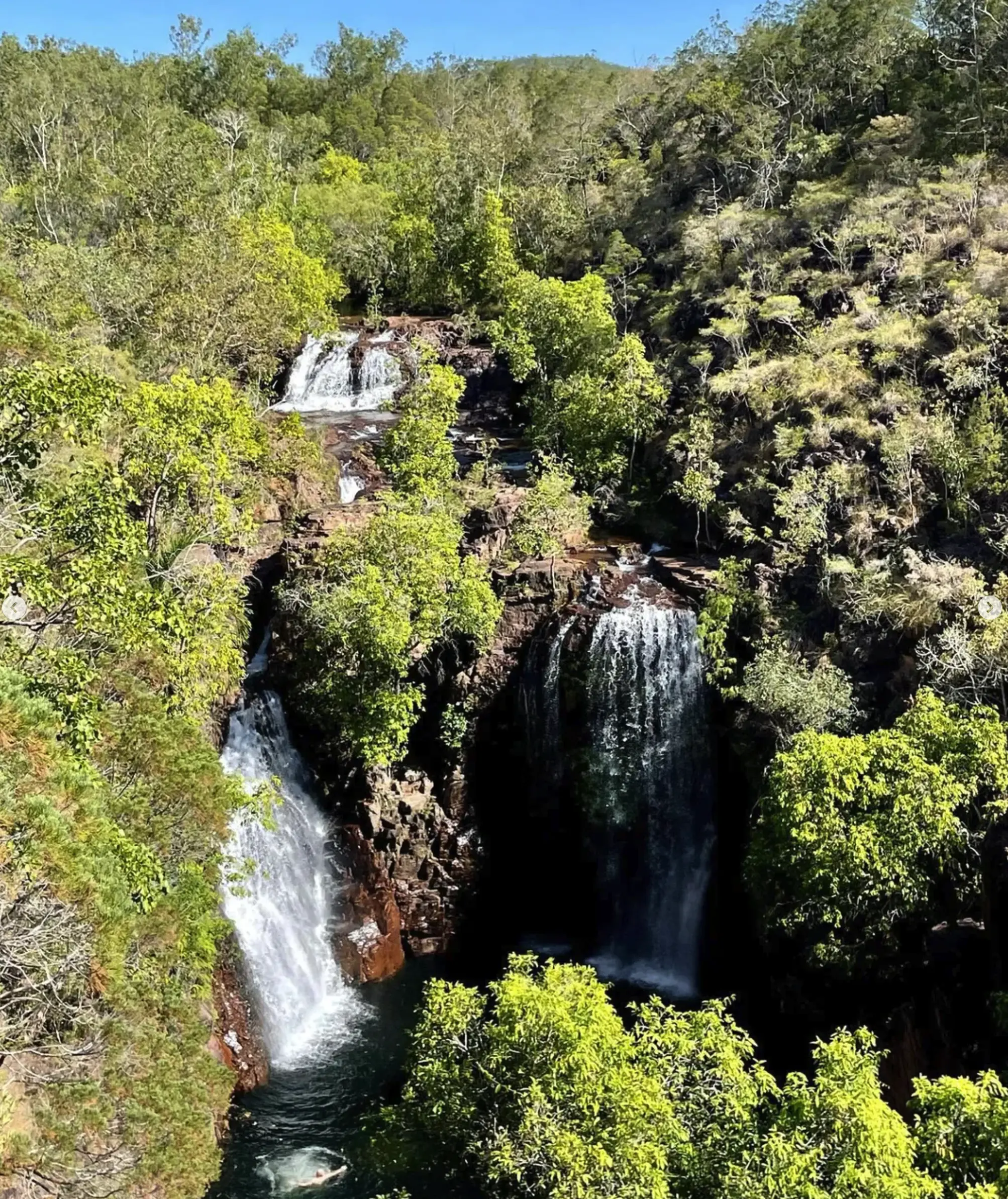
Day 1: Jabiru Base and Bowali Visitor Centre
Ease in gently. The Bowali Visitor Centre in Jabiru is your best friend:
- Get the latest track conditions — roads flood or close during the wet.
- Chat with rangers for bird updates.
- Check local access arrangements with Traditional Owners.
- Learn about seasonal movement of key species.
Bird targets today:
- Agile Wallaby (yes, I know it’s not a bird — but you’ll see ‘em)
- Magpie Goose (plenty in the wet)
- Sulphur-crested Cockatoo
- Blue-winged Kookaburra
Tip: Jabiru has fuel, groceries, a pub, and even a small airport if you’re joining a scenic flight.
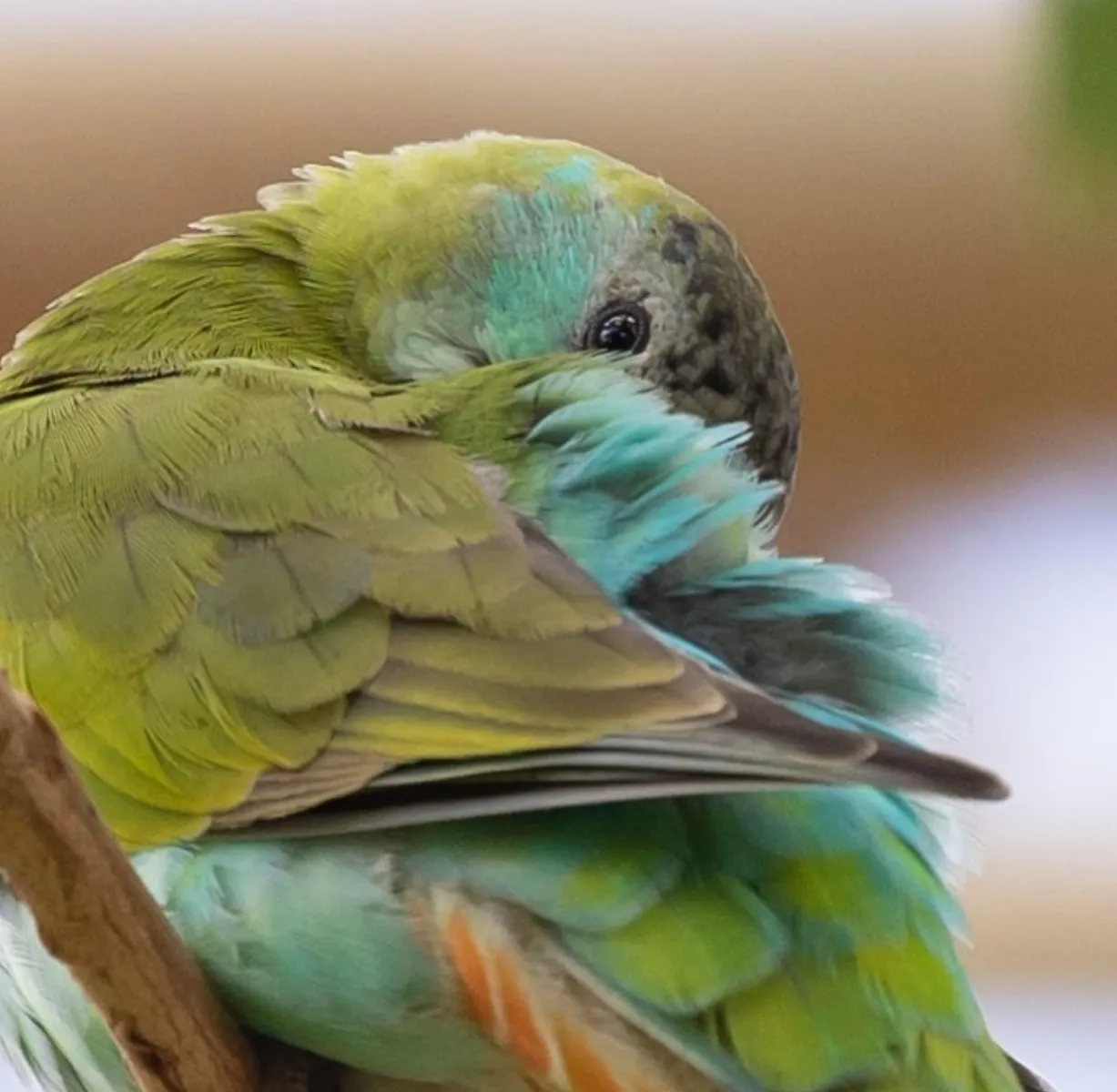
Day 2: Mamukala Wetlands and Bird Hide
Just east of Jabiru, Mamukala is a birder’s delight. There’s a well-maintained hide that lets you sit quietly while the show comes to you.
Bird targets:
- Magpie Geese by the thousand (dry season’s peak is impressive)
- Whistling Ducks
- Jacanas tip-toeing on lilypads
- Comb-crested Jacana (crowd favourite)
- Radjah Shelduck
Access: All-sealed road. Good even in wet season unless flooded — always check.
Local story: First time I set up there, an older bloke told me he’d seen a Saltwater Croc sunning on the bank that morning. Don’t get too close to the water’s edge.
Day 3: Ubirr and Cahills Crossing — Rock Art and Raptors
If there’s a spot in Kakadu where the wildlife and human history collide beautifully, it’s Ubirr.
Highlights:
- World-famous Aboriginal rock art galleries
- Breathtaking escarpment views (and yes, I know I said not to say ‘breathtaking’, but it’s stone country and it’ll shut you up)
- Hawks, kites, and other raptors cruising the thermals
Bird targets:
- Black-breasted Buzzard
- Wedge-tailed Eagle (yes, they’re here)
- Ospreys near the East Alligator
- White-bellied Sea-Eagle
Access note: Cahills Crossing is notorious — crocs literally cross it like commuters. Don’t even think about wading. Watch the crocs from the platform.
When I first sat up on Ubirr at dusk, I saw a pair of Sea-Eagles arguing over dinner. No need for a drone shot — nature did the cinematography.
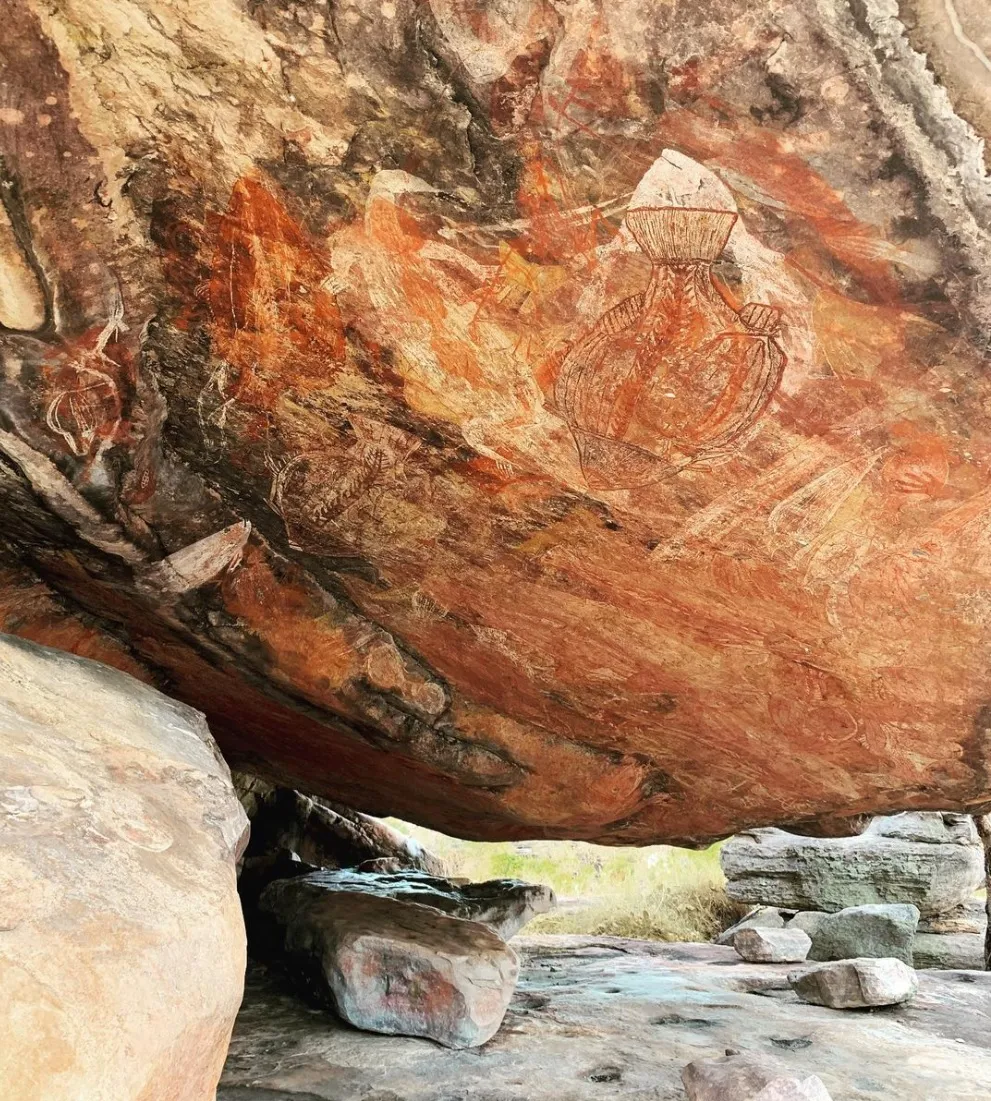
Day 4: Nourlangie (Burrungkuy) and Anbangbang Billabong
Head south from Jabiru and you’ll hit Nourlangie, or Burrungkuy, depending on which name you use (both are correct — and locals will know which you mean).
Key points:
- Rock art telling 20,000+ year stories. Respect it. Don’t touch, don’t graffiti.
- Escarpment walks with raptor lookouts.
- Anbangbang Billabong nearby — top spot for waterbirds.
When you’re out at Ubirr or Nourlangie, it hits you just how massive Kakadu National Park really is — you’re not ticking off a single site, you’re roaming Country the size of some nations.
Bird targets:
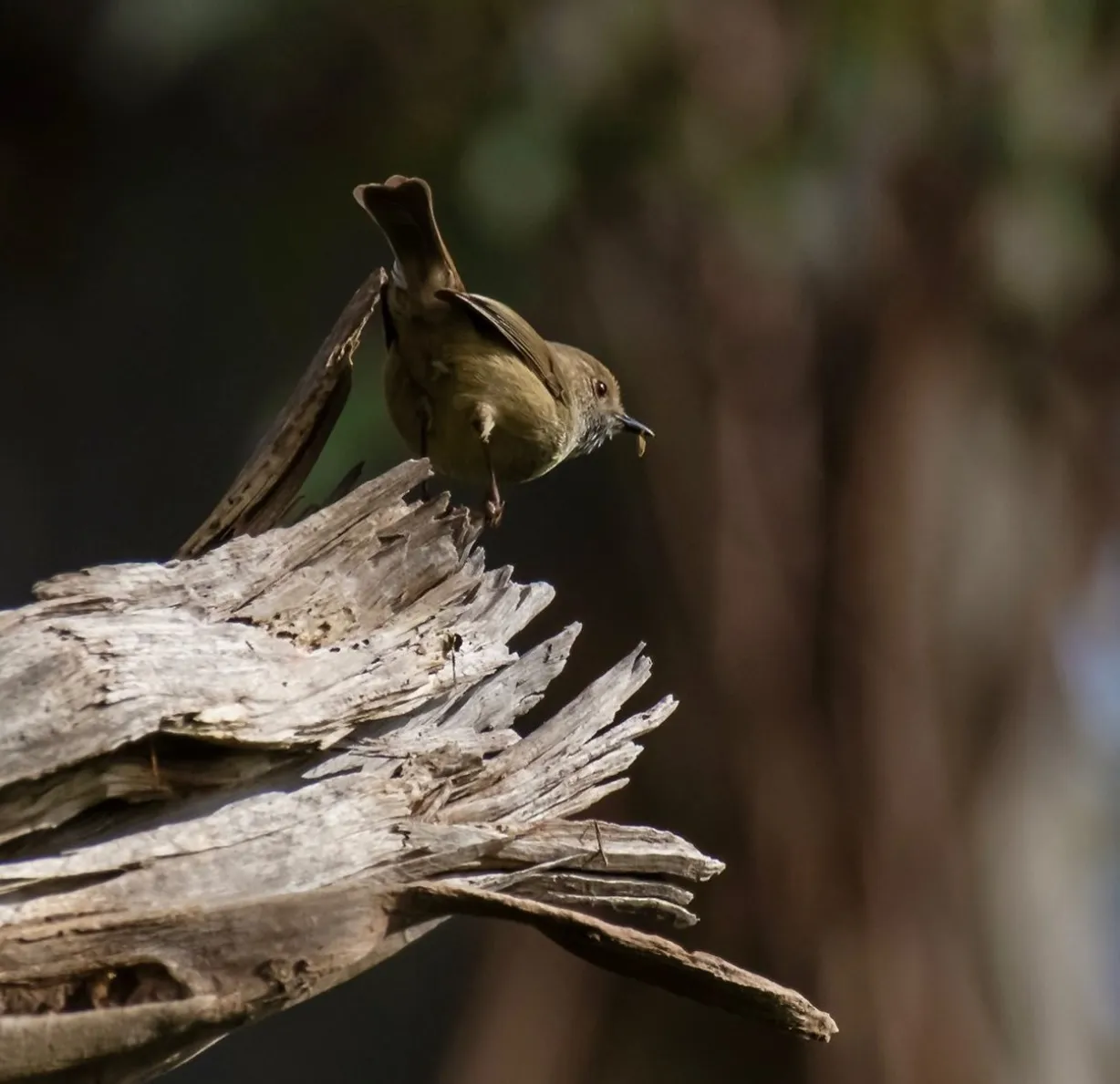
- Rainbow Pitta (elusive — listen for the call in monsoon forest)
- Azure Kingfisher
- White-faced Heron
- Pied Heron
Access: Sealed road to carpark. The Anbangbang walk is easy and well-marked.
Pro tip: Go at dawn or dusk. Fewer humans, more birds, better light.
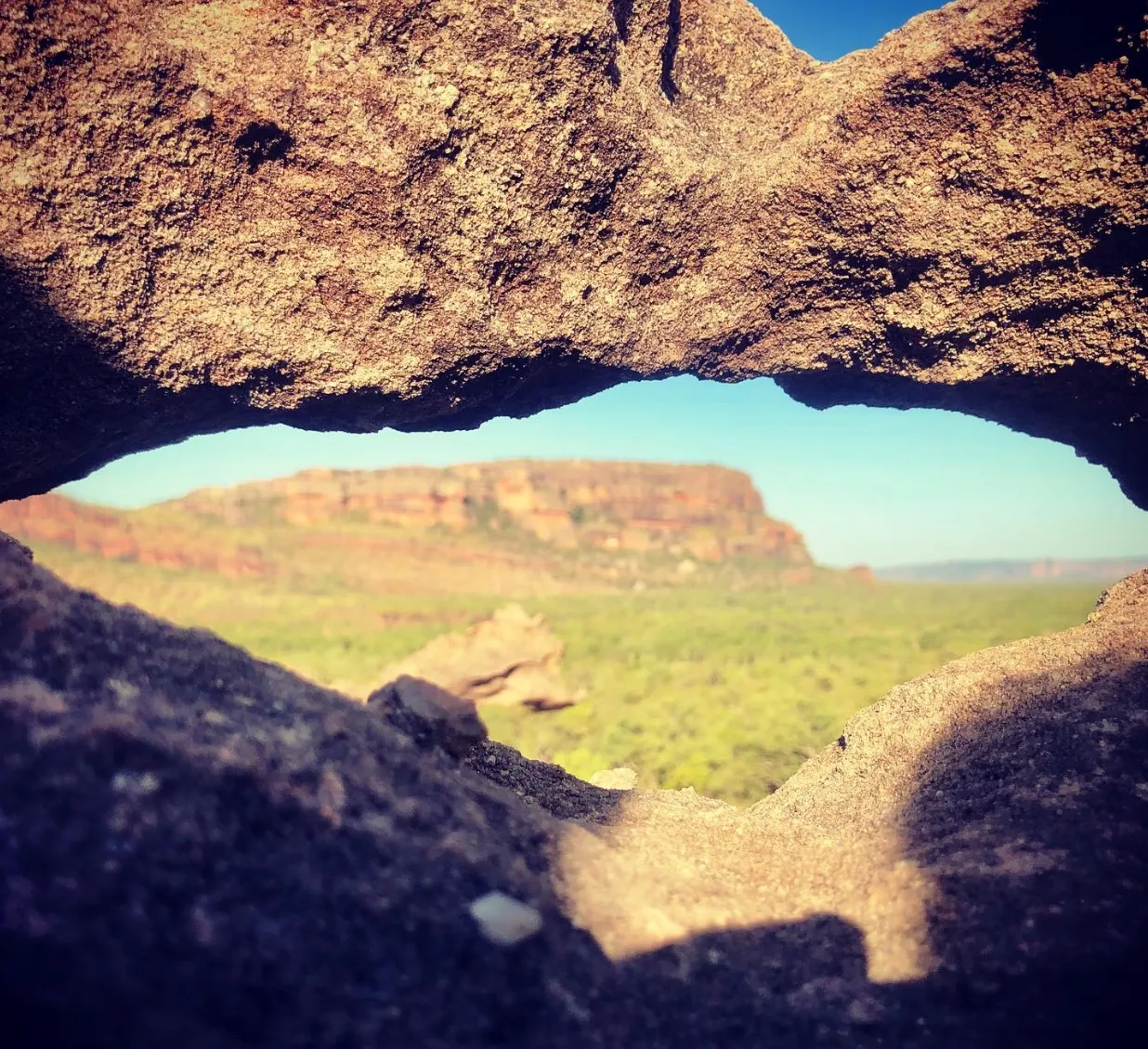
Day 5: Yellow Water (Ngurrungurrudjba) Cruise
This one’s essential.
- Book with the local operator. Don’t DIY — croc country.
- Dawn cruises are best for birds and crocs.
- Guides are often Traditional Owners or long-time locals — pay attention to their stories.
Bird targets:
- Jabiru (Black-necked Stork)
- Brolga (dry season dancers)
- Great Egret
- Royal Spoonbill
- Forest Kingfisher
- White-bellied Sea-Eagle hunting
I’ve seen more crocs in one Yellow Water cruise than in months of bush-bashing. One old male was so scarred up he looked like a battle tank.
Day 6: Jim Jim and Twin Falls (Seasonal Access)
If the track’s open (usually mid-dry), these falls are worth the bumpy ride.
- 4WD access only — expect corrugations that’ll test your tyres and fillings.
- Jim Jim requires a short but scrambly walk.
- Twin Falls often needs a boat shuttle and permit.
Bird targets:
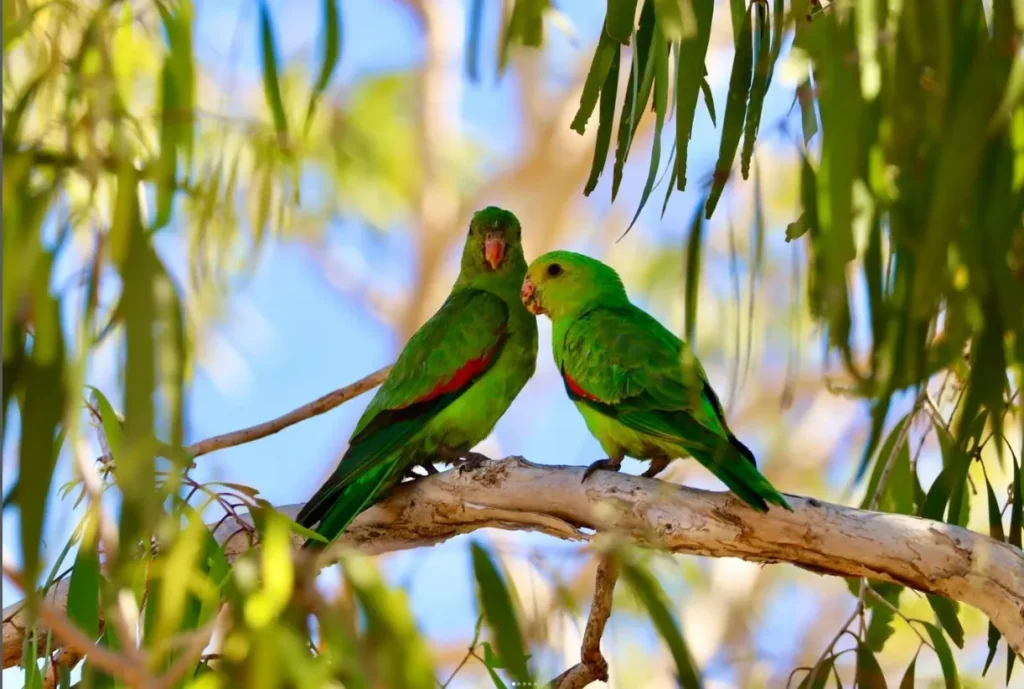
- Rainbow Bee-eater
- Varied Lorikeet
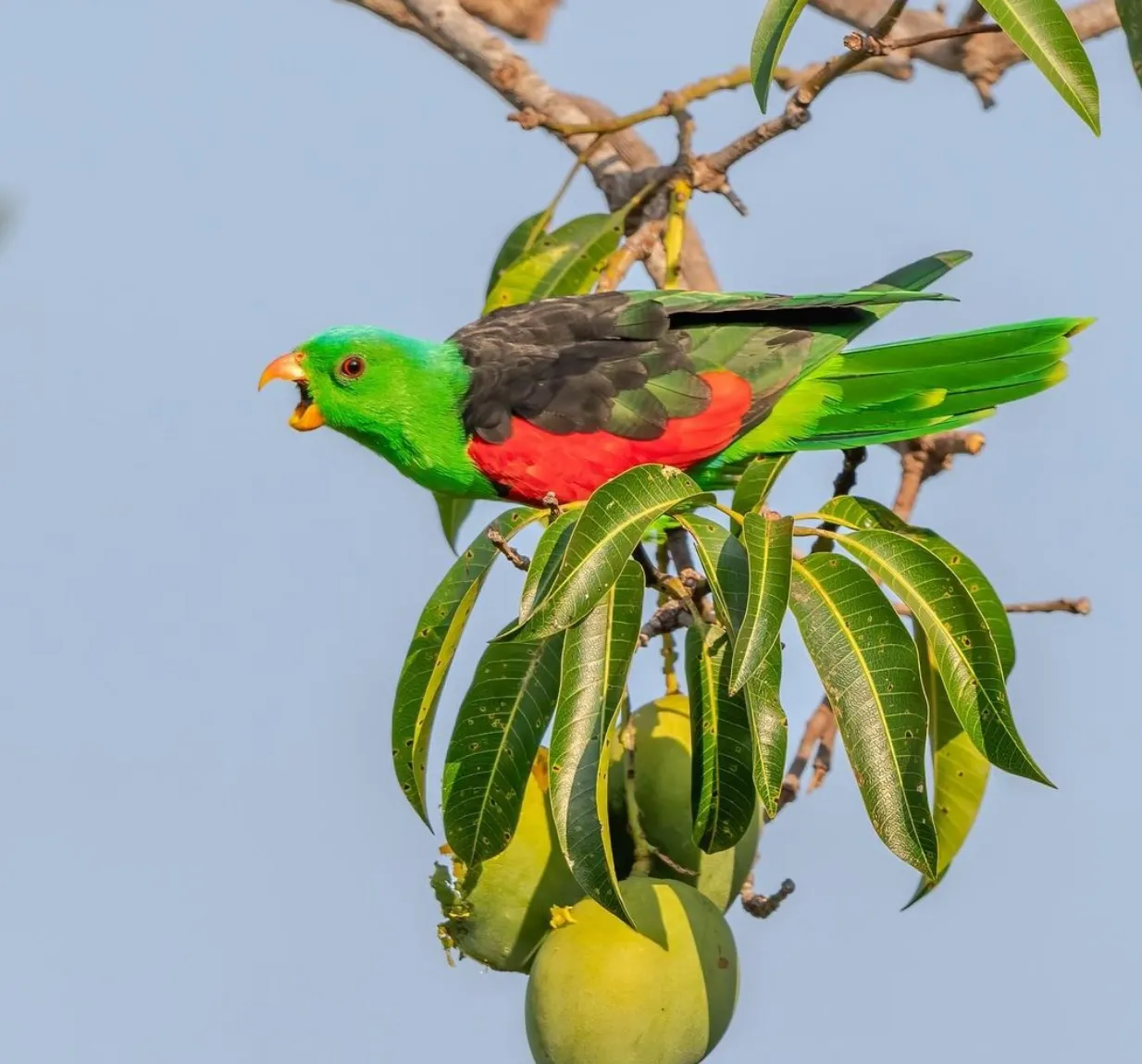
- Northern Rosella
- Black-faced Cuckoo-shrike
Safety note: Floods, crocs, and heat are real here. Always check with rangers before heading out.
Once did Jim Jim in early June — coldest swim I’ve ever had, and the mozzies still turned up for the feast.
Day 7: Optional Extras — Maguk or Gunlom (Access and Seasons Depending)
These southern spots are favourites, but they’re often closed after big wet seasons for repair or cultural reasons.
- Maguk: Monsoon forest walk to a plunge pool (check croc safety — not always swimmable).
- Gunlom: Closed for cultural reasons in recent years — check before you go.
Bird targets:
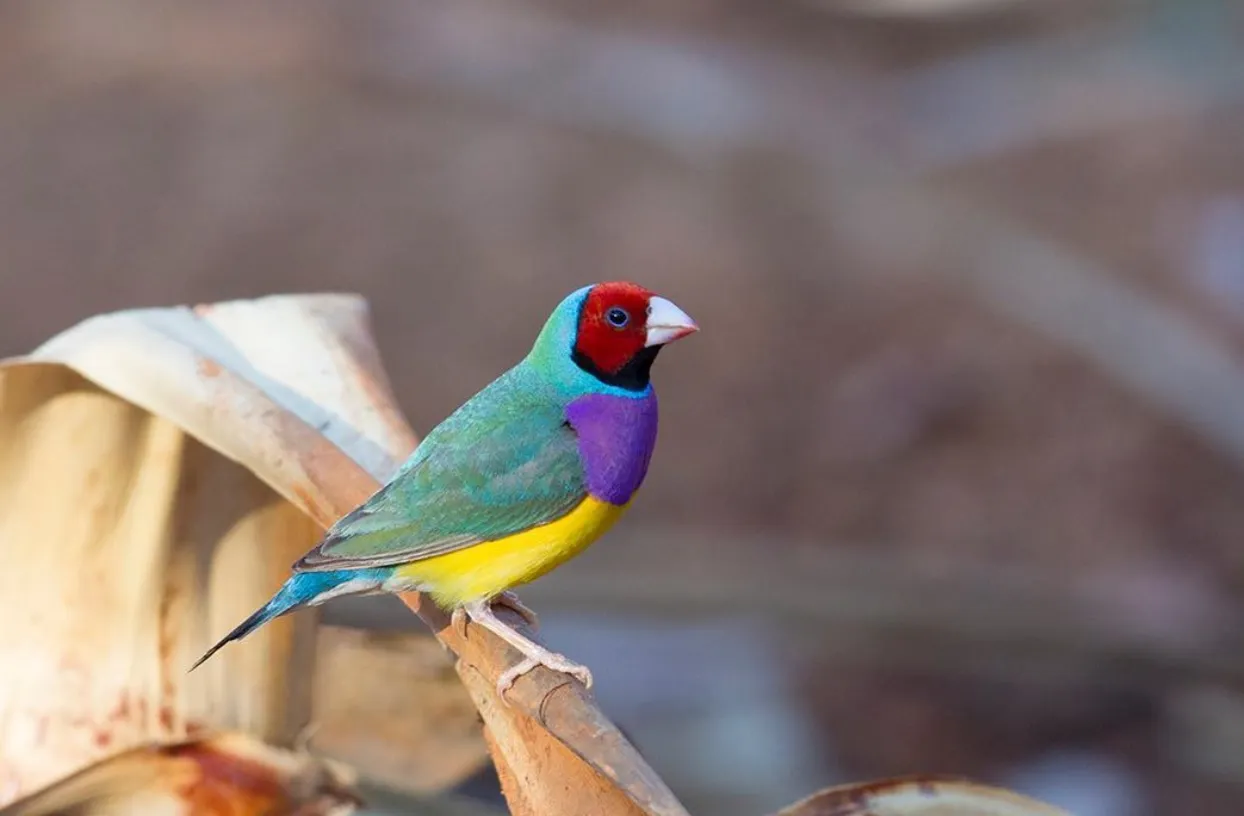
- Shining Flycatcher
- Lemon-bellied Flycatcher
- Rose-crowned Fruit–Dove
- Forest Kingfisher
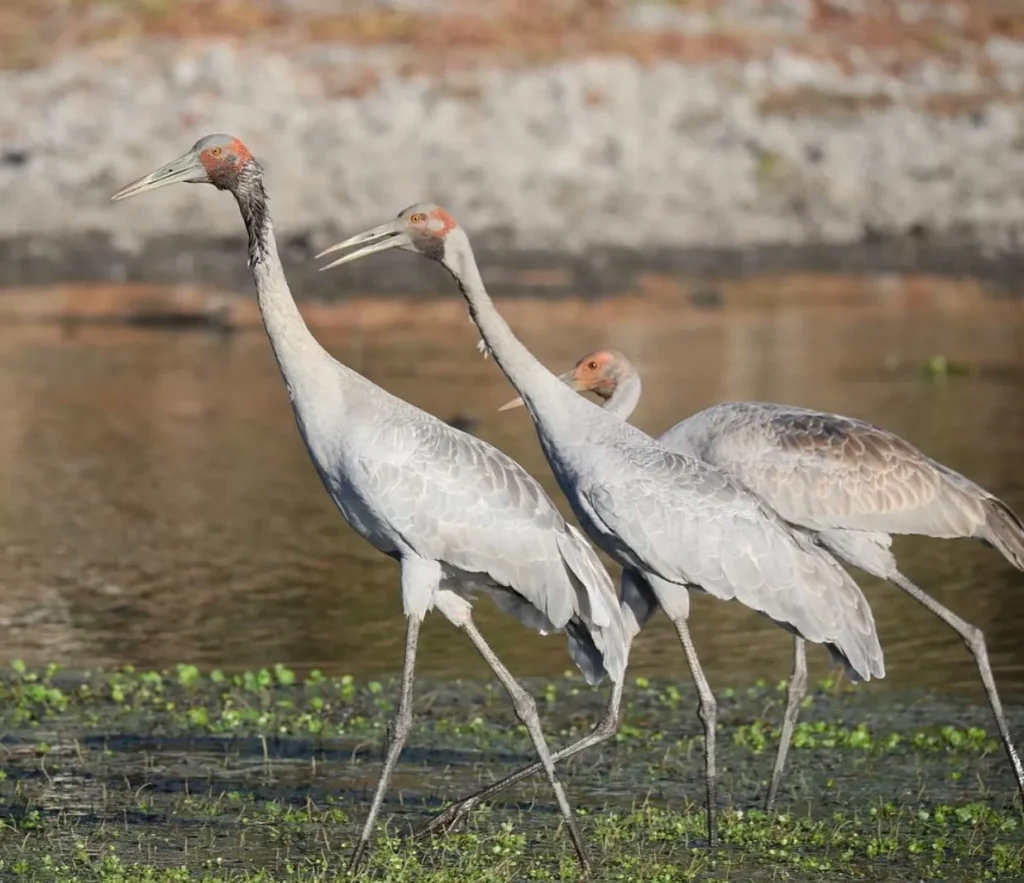
Table: Quick Reference — Top Birds by Location
| Site | Star Birds | Access Notes |
|---|---|---|
| Mamukala Wetlands | Magpie Goose, Jacana, Radjah Shelduck | Sealed road, seasonal closures |
| Ubirr | Raptors (Buzzard, Eagle, Kite) | Escarpment walk, croc-safe viewing |
| Nourlangie/Anbangbang | Rainbow Pitta, Azure Kingfisher | Sealed, easy walks, rock art |
| Yellow Water | Jabiru, Brolga, Sea-Eagle | Boat tour, dawn recommended |
| Jim Jim/Twin Falls | Bee-eaters, Rosellas, Lorikeets | 4WD only, seasonal, permit for Twin |
| Maguk/Gunlom | Shining Flycatcher, Fruit-Dove | Check seasonal access and permissions |
Local Conditions and 2025 Trend Notes
2025 has been shaping up as a pretty average wet — Bureau of Meteorology has forecast typical wet season rainfall with early build-up storms. That means:
- Expect rough tracks opening later in May.
- Higher mosquito loads in June than dry average.
- Rangers will likely keep Gunlom shut for cultural maintenance.
- More water in the billabongs = happy birds but fewer dry-season congregations early on.
If you’re planning a mid-year trip, aim for June–August for peak dry, best access, and fewer closures.
Cultural Considerations
Kakadu is Aboriginal land, jointly managed with Traditional Owners. Don’t treat it like your backyard.
- Always check for closures — cultural business comes first.
- Never enter restricted areas.
- Don’t climb, don’t touch rock art.
- Listen to and support local guides — they know it better than any app.
- Learn the names: Burrungkuy (Nourlangie), Ngurrungurrudjba (Yellow Water).
Practical Tips for Staying Sane in the Top End
- Don’t trust your GPS blindly — it’ll send you down tracks that don’t exist or closed floodways.
- Use offline maps — mobile reception is spotty at best.
- Respect wildlife. Crocs aren’t just in the rivers — they move in the wet.
- Bring more water than you think you need.
- Cover up. The sun will fry you in an hour flat.
- Don’t be shy about asking rangers questions — they’ve seen it all.
- Take your rubbish out — leave it better than you found it.
Final Reflection: Boiling the Billy on Kakadu’s Tracks
Birdwatching in Kakadu isn’t a fancy Sunday stroll. It’s heat, dust, mozzies, croc warnings, and sheer beauty that’s earned, not given.
When you plan your Birdwatching Itinerary for Kakadu, come prepared. Not just with gear, but with respect — for Country, for culture, for the wildlife that call it home.
Got your own Kakadu birding tip? Drop it in the comments — I’m always updating my routes and I love a good yarn.
Or if you want help planning your NT road trip? Reach out — I’m happy to share my itinerary.
FAQs
What’s the best time of year for birdwatching in Kakadu?
The dry season (May–October) is best. Roads are open, billabongs shrink so birds gather at fewer water sources, and you can actually get to places without a boat or chopper.
Do I need a 4WD for this itinerary?
Pretty much. Some sealed roads are fine (like to Mamukala or Nourlangie), but Jim Jim, Twin, Maguk, and sometimes even Gunlom need true 4WD clearance — not your city SUV.
Are there any dangerous animals to worry about?
Short answer: yes. Saltwater crocodiles (don’t swim where you shouldn’t), mozzies (carry repellent), and snakes (leave them be).
Can I visit in the wet season?
You can, but expect many tracks to be closed. Birdwatching is still great — especially for wetland species — but you’ll need to plan carefully, stay on sealed roads, and consider a cruise or flight for access.
How do I show respect to Traditional Owners when visiting?
Stay on marked tracks, obey signage, don’t photograph rock art where it’s forbidden, and use local guides where you can. Listen, learn, and leave no trace.