Letting the Coral Sea’s swell murmur a fresh note as I wade into the question of what’s the best month to dive the Great Barrier Reef, I’m constantly reminded of just how much the seasons up here can affect your diving experience. One month, you’re swimming in silky water with visibility that’s like looking through a window; the next, you’re battling through tropical monsoon weather that’s going to slap your mask sideways no matter how hard you try to keep it secure. After years of diving from Port Douglas down to Lady Elliot Island, I’ve seen the reef in all sorts of moods – from mornings at the Agincourt Reefs that are so calm you can practically see your own reflection to bumpy crossings over to Osprey Reef that make half the boat second-guess their breakfast plans.
And here’s the plain truth: the reef is always worth diving. But the different months bring different versions of it – and some are absolute standouts.
Picking The Month That Fits Your Dive Style
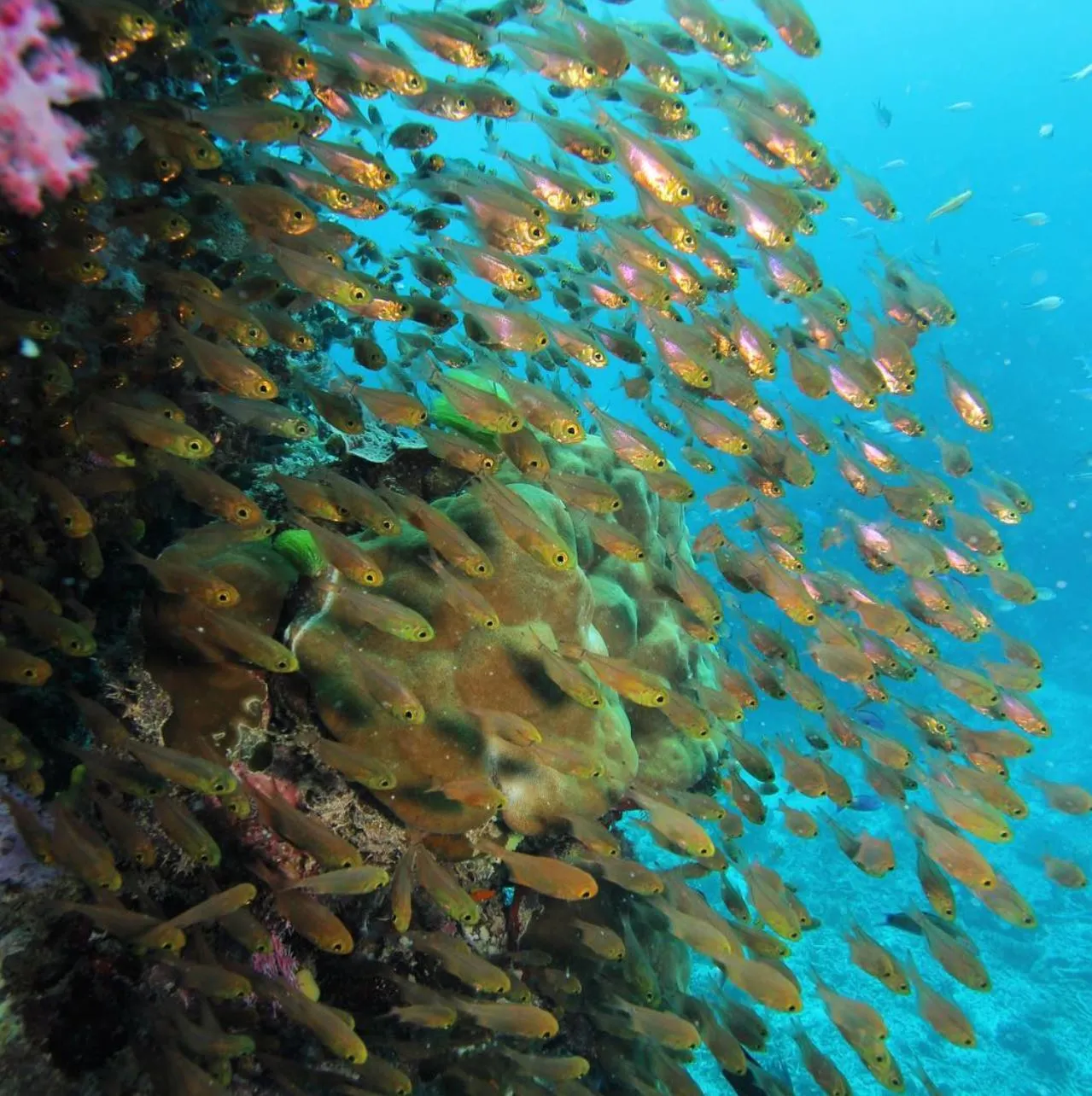
The dive seasons tend to suit different scuba divers in their own way. Some love the warm water – and I mean love it like you do a cold beer on a hot day. Others are after visibility that’s so clear you can spot a Queensland Grouper cruising the bommies from 30 metres away and think ‘ blimey, that’s a big fish!’. Your best month isn’t something you can just find on a chart – it’s the one that lines up with the marine life you’re after, the water temperature you’re comfortable with and just how much wind chop you can handle.
Think of it like checking the footy final timetable: get the timing right and you’re barely even aware of the crowds; get it wrong and you’re stuck in the middle of the sea of people like a tin in an icebox.
The Quick Answer (If You Just Need The Month)
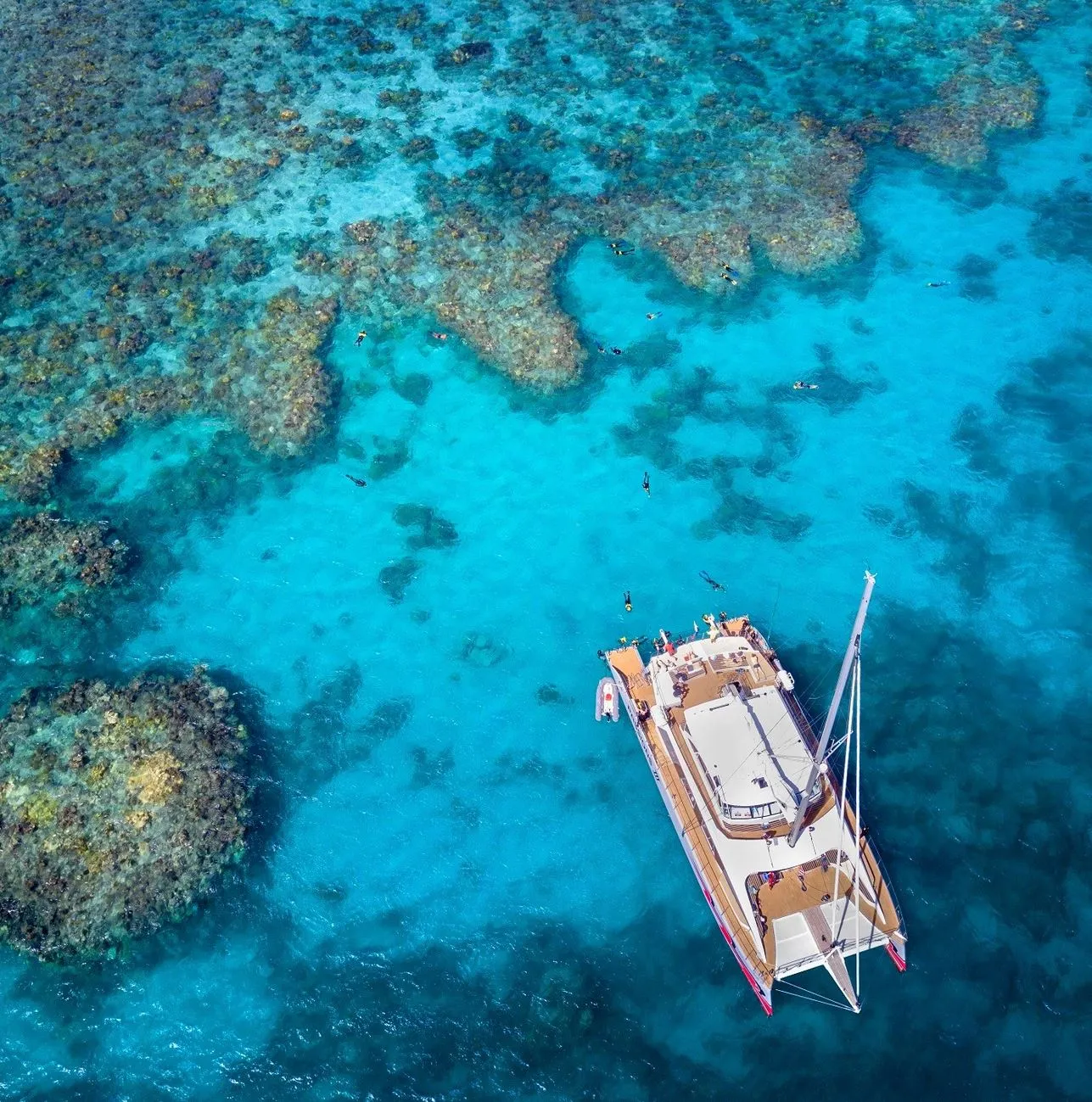
If you just want the best month for visibility, warm water, light winds and a bit of marine action, that month is September.
So why September?
- Water visibility often peaks at an excellent 20-30 metres
- The water temperature cools down a bit (which isn’t necessarily a bad thing!) to a comfortable 24-26°C
- The south-east trade winds die down a bit
- The marine life picks up again – you know, the usual suspects like turtles, rays, reef sharks
But I reckon different divers are after different things, so let’s break it down properly.
Seasonal Conditions — What Actually Happens Underwater
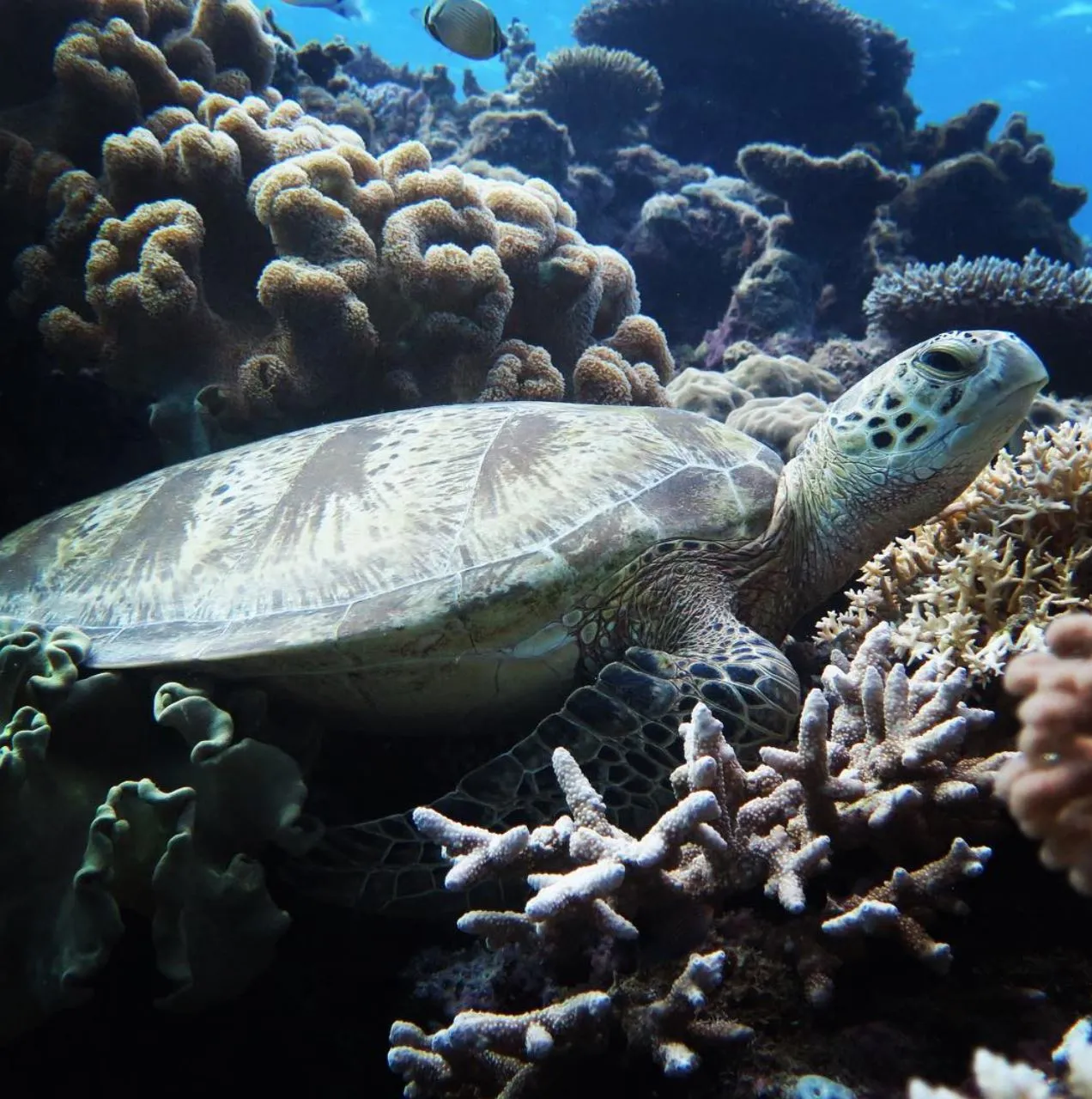
Every season on the Great Barrier Reef has its own personality. Some months are dead as a doormat and crystal clear, while others are so rough that they’ll blow you off your tinnie. Below is the lowdown — all straight from years of wading around in wet wetsuits and foggy masks.
Dry Season (May–October) — When The Water’s At Its Clearest
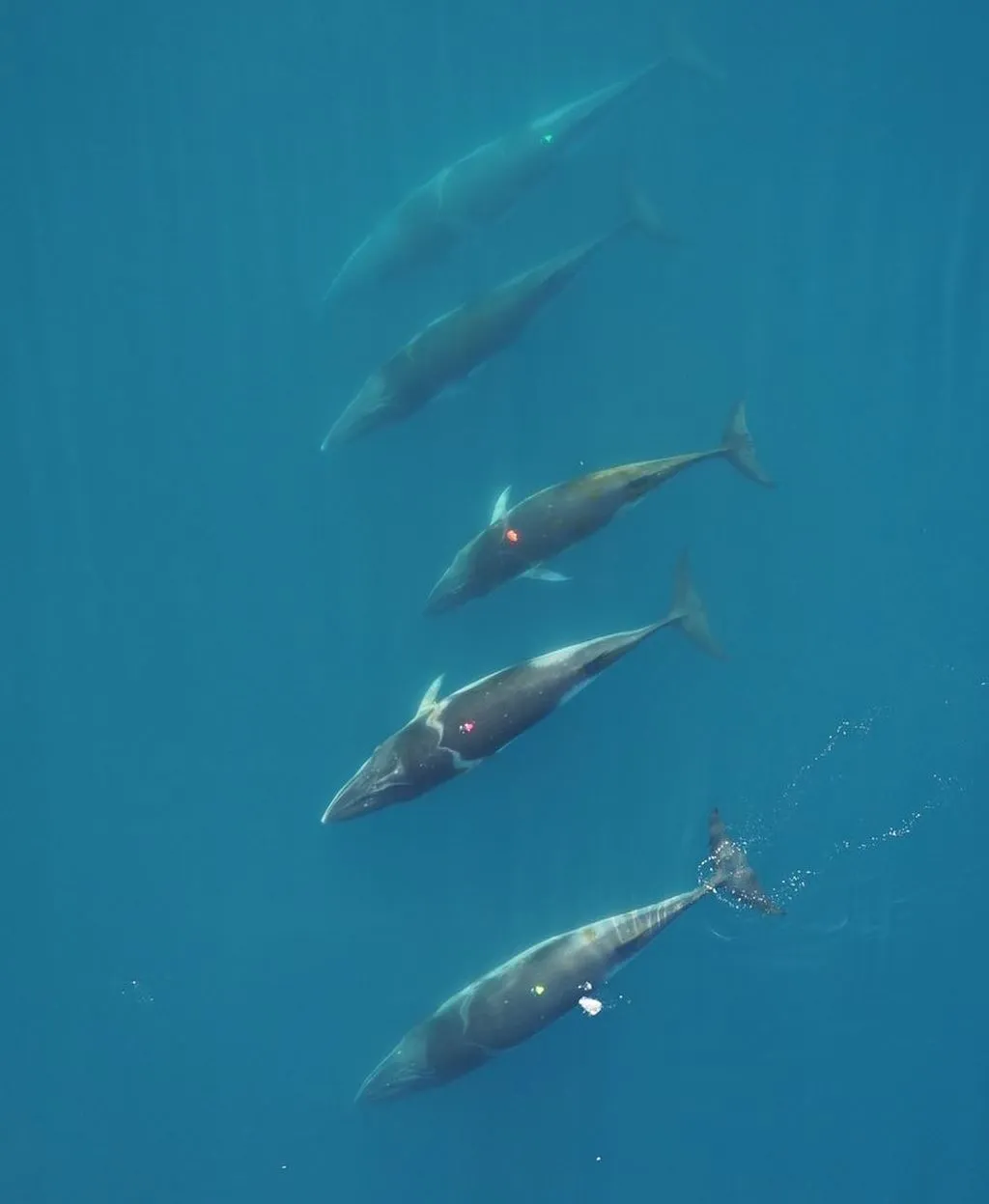
This is when the Coral Sea sends its best water along, and the vis on a lot of the reef sites starts to shine. The air cools off, the monsoon rain is a bad memory, and the marine life is as active as a bunch of teenagers.
What to look out for:
- Days with perfect viso: 20–30m on the good ones
- Water temp: 23–26°C – nice & toasty
- Often spotted: Minke Whales, reef sharks & Queensland Groupers
- Best for: people with fancy cameras, liveaboard trips, the Ribbon Reefs
But be warned, the south easterlies can get pretty wild in July and August. The Outer Reef trips turn into a real rodeo.
Wet Season (November–April) — Warm Water, Coral Spawning & a Few Risks
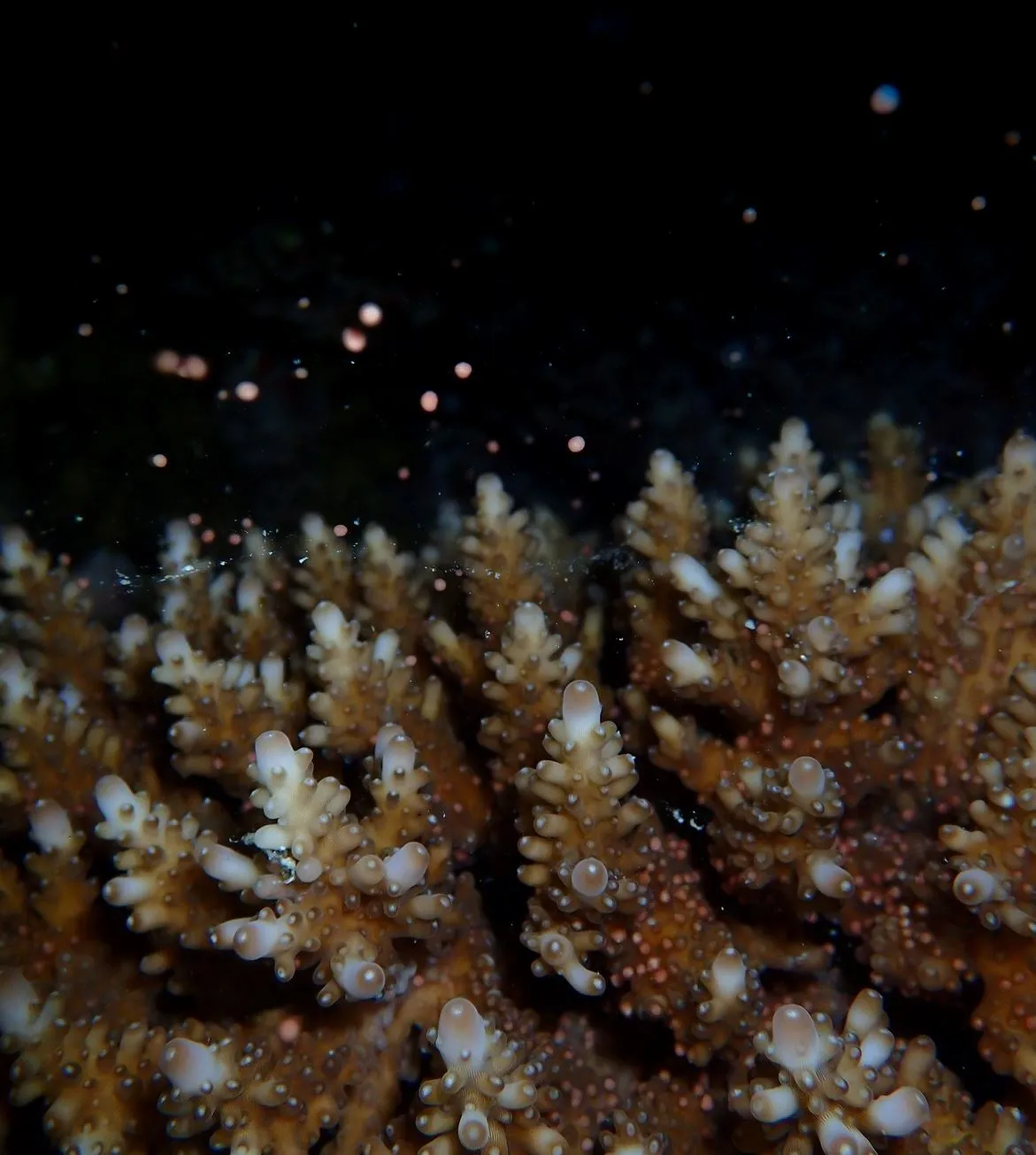
The water warms up, the coral polyps get excited, and the reef becomes a real zoo.
What to expect:
- Water temperature: 27–30°C – now we’re talking.
- Vis can be a bit messy: 10–20m, and it’s worse near the coast
- Big events: Coral Spawning, turtle nesting
- Things to watch out for: box jellyfish, Irukandji jellyfish, Marine stinger suits – not exactly the most pleasant thing to happen to you while you’re in the water.
You’ll be dressed up in a Lycra stinger suit whether you like it or not – but trust me, it’s a small price to pay to avoid a trip to the hospital.
Monthly Breakdown — Conditions, Wildlife & What To Expect
Below is a table that gives you a dive-ready snapshot of each month. I’ve pulled in typical water temps, visibility ranges, and key wildlife based on long-term reef monitoring averages.
| Month | Water Temp (°C) | Visibility | Marine Action | Notes |
|---|---|---|---|---|
| Jan | 28–30 | 10–20m | manta rays, turtles | Wet, stormy, stinger season |
| Feb | 28–30 | 10–15m | coral formations vibrant | Lowest vis of the year |
| Mar | 27–29 | 10–18m | turtle nesting | Coastal run-off impacts vis |
| Apr | 26–28 | 15–20m | reef sharks, rays | Winds easing |
| May | 25–27 | 15–25m | Queensland Groupers | The start of the dry season is calm |
| Jun | 24–26 | 20–30m | Minke Whale season | Coldest water |
| Jul | 23–25 | 20–30m | reef sharks | Choppy south-easterlies |
| Aug | 23–25 | 20–30m | big pelagics | Windy but great vis |
| Sep | 24–26 | 20–30m | turtles, rays | Best all-round month |
| Oct | 25–27 | 15–25m | manta rays | Calmer seas return |
| Nov | 27–29 | 15–25m | coral spawning | Hot, humid, stinger suits |
| Dec | 28–30 | 10–20m | tropical marine life is booming | Peak summer heat |
Wildlife Encounters — When The Big Stuff Shows Up
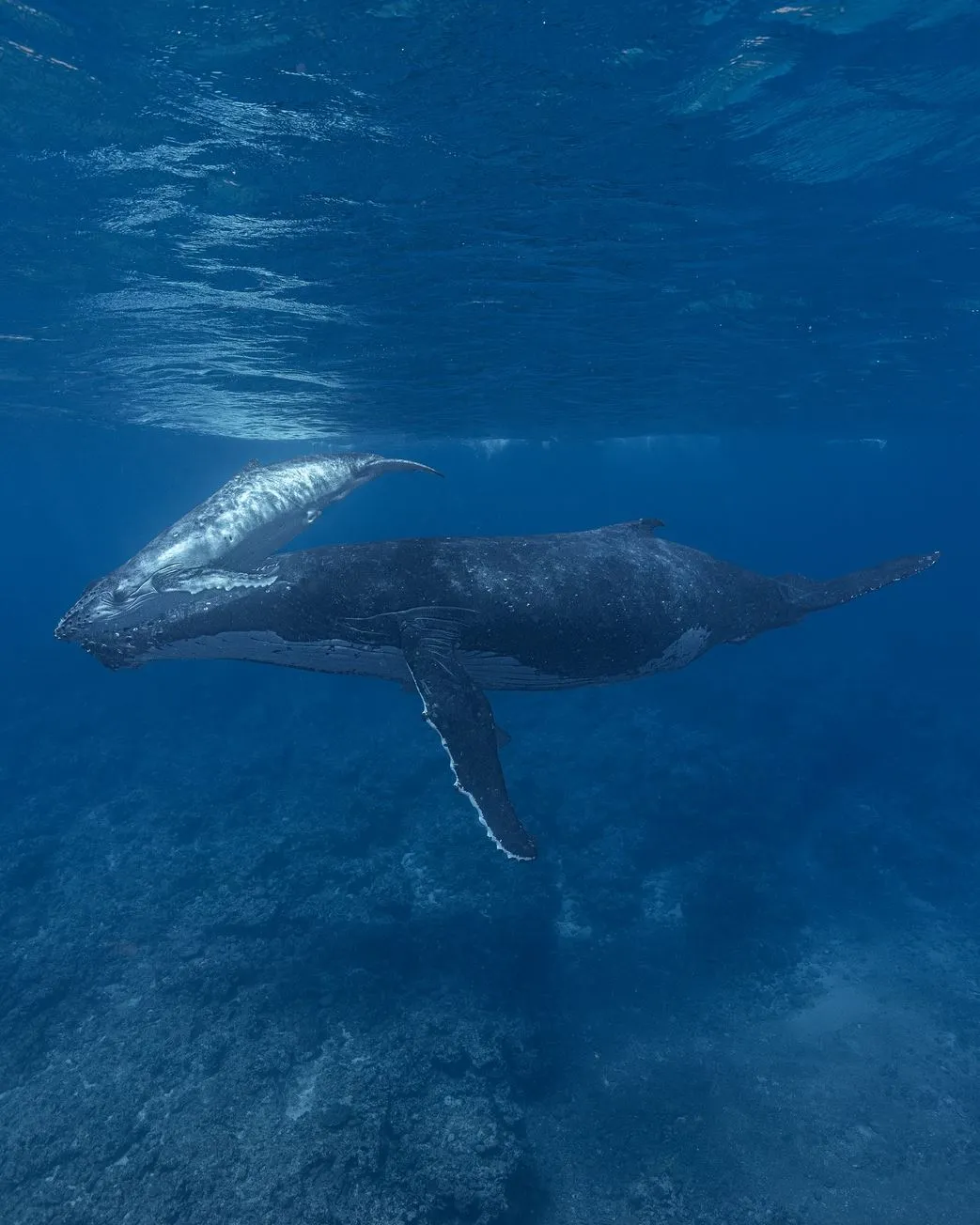
You can dive the reef any month and meet someone interesting — whether it’s a cheeky wrasse, a curious reef shark or a turtle who behaves like you’re swimming through their living room. But the big-ticket animals follow a seasonal script.
Here’s the cheat sheet:
- June–July — Minke Whale The Ribbon Reefs light up with one of the world’s only predictable dwarf minke whale migrations. If you’ve never locked eyes with a curious minke, it’s a must-do.
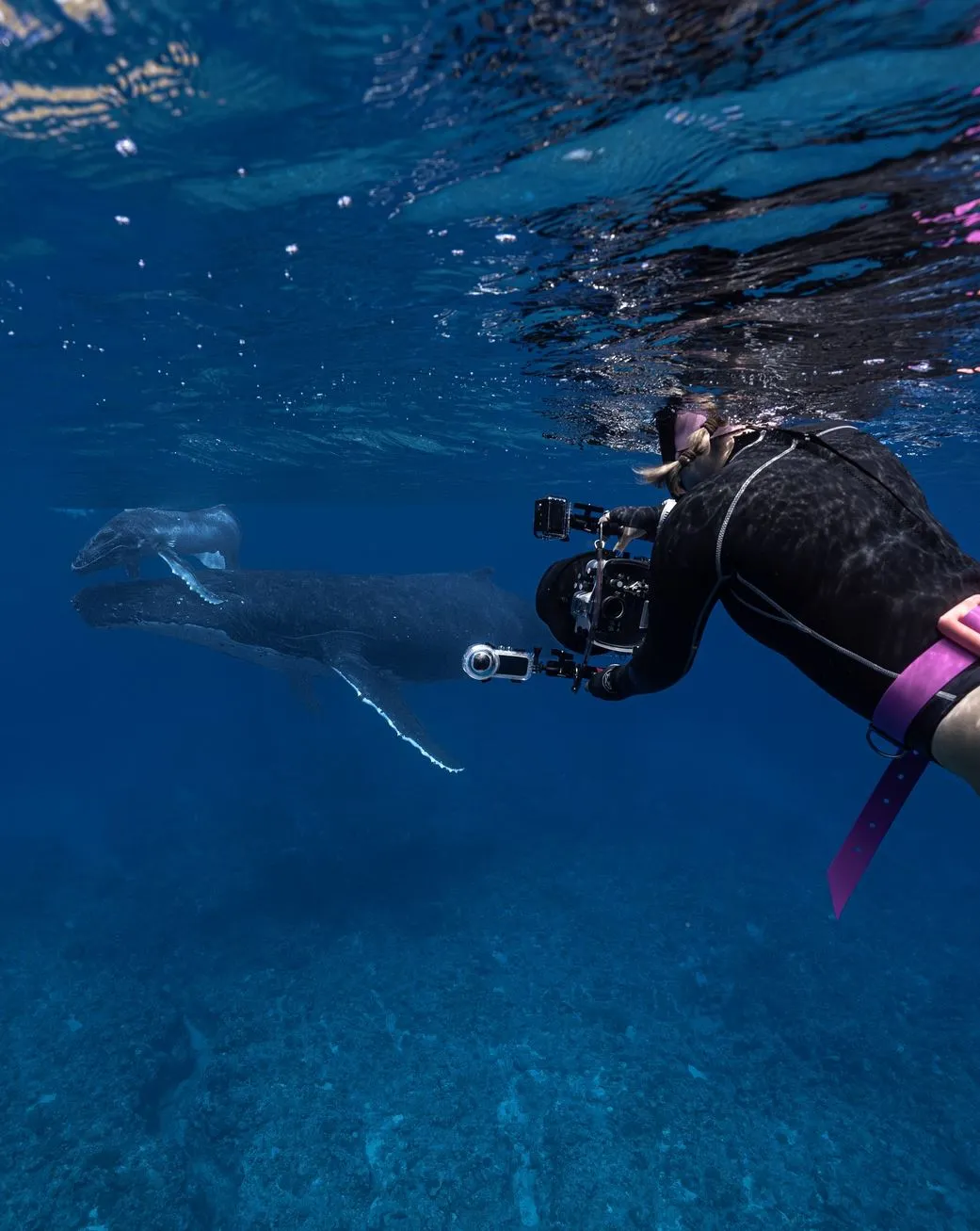
- July–August — Humpback Whales They’re not usually part of your underwater experience, but humpback whales are all over the Coral Sea this time of year — perfect for surface-interval whale watching.
- November — Coral Spawning It’s the reef’s annual fireworks show: millions of coral polyps synchronise, turning the reef into a snow globe of new life. Chaotic, colourful, unforgettable.
- September–October — Manta Rays & Turtles Warm currents bring in manta rays, and turtles get busy feeding ahead of nesting season.
Local Tips To Get The Best Dive Conditions
These are the things travellers always wish they’d known before they hopped on a boat at the Reef Fleet Terminal.
Don’t Judge The Reef By Cairns‘ Weather
Many days I’ve walked down the Cairns Esplanade under grey clouds, only to find the outer reef as sunny and flat as a pancake. The reefs sit far enough offshore that conditions don’t always match the coastline.
Choose Outer Reef Sites For Better Visibility
Agincourt, Osprey, Flynn, Norman — these outer sites often get cleaner water than inner reefs.
Pick Your Operator Wisely
Look for:
- Updated gear
- Experienced crew
- Safety briefings that aren’t rushed
- Flexible dive site selection (based on wind/tides, not convenience)
Great Barrier Reef Tours often runs trips with Master Reef Guides onboard, which is a game-changer if you like actual marine science with your diving.
Gear & Safety Checklist (Practical, Not Pretty)
I’ve dived with folks who forgot half their kit because they got distracted by the Spirit of Cairns sunset cruise the night before. Don’t be one of them.
Bring:
- Lycra suits/stinger suit (Nov–Apr)
- Reef-safe sunscreen
- Defog for your mask
- Motion sickness tablets
- PADI Open Water card
- Spare dive computer battery
- Medical forms if doing multiple deep dives
- A well-fitted wetsuit (don’t rely on hire racks)
- Extra water (dehydration increases decompression sickness risk)
Optional:
- Underwater camera
- Spare mask (trust me, worth it)
- Surface marker buoy (for offshore drift sites)
FAQ
What month has the best visibility on the Great Barrier Reef?
June–August.
What month has the warmest water temperature?
December–March.
Is summer too dangerous because of Marine Stingers?
No — just wear Lycra stinger suits. Operators enforce it for safety.
When can I see Minke Whales?
Mid-June to late July at the Ribbon Reefs. Some operators run dedicated minke trips.
When is coral spawning?
November, roughly 2–6 days after the full moon.