Situated in the heart of the Northern Territory, Uluru-Kata Tjuta National Park is not only a natural wonder but also an important cultural and spiritual icon for aboriginal people in Australia. Here, huge rocks and deserts tell a story of uninterrupted culture and religion lasting for thousands of years. This article goes deeply into the reasons why Indigenous Australian culture still holds on to its sacred Ayers Rock and Kata Tjuta land, as well as offers a great historical, spiritual, and naturally beautiful experience.
Uluru: The Continuous Living Culture
Also known internationally as Ayers Rock, Uluru is a massive sandstone monolith that symbolizes the heart of Australian Aboriginal culture. Beyond its physical immensity, however, it epitomizes an unbroken kernel of living culture that has flourished through countless generations in the arid landscape of the Australian desert. Through such creation stories and oral histories handed down from generation to generation by Anangu people, who are traditional custodians, it is recognized worldwide as a UNESCO World Heritage Site because it has a different meaning attached to it. Therefore, it is recognized by UNESCO as both having high natural values and being richly woven with cultural heritage connected with Indigenous Australians over the ages.

Aboriginal activities around Uluru are dynamic indications of their lasting connection with their environment. Indigenous Australians’ deep spiritual association with this site has led to numerous cultural sites around its base where ancient rock engravings decorate cliff faces. These include visual artistic expressions that recount the history and express religious concepts within Anangu society. Each drawing or engraving on the rock represents an insight into profound experiences and beliefs held by Aborigines.
Sacred Sites Speaking Spiritually
Inwards into Uluru-Kata Tjuta National Park, one finds sacred sites that are visually grandiose yet spiritually significant. Rocks making up Uluru and Kata Tjuta are more than geological formations; they represent material forms taken by ancestral spirits to Aborigines. Every line and every colour in those falling rocks tells a story that connects ancient spirits with the present-day Anangu.
This locality has exceptional rock formations, such as Kantju Gorge and Walpa Gorge, where one can see breathtaking views and learn more about the land’s cultural landscape. To elucidate on this point, let us consider what they symbolize:
- Kantju Gorge: A place of great silence and coolness that is also used by the Anangu for evening reflections and ceremonies.
- Walpa Gorge: It is said to be windy inside; showing how ancestral spirits managed to survive under extreme desert conditions.
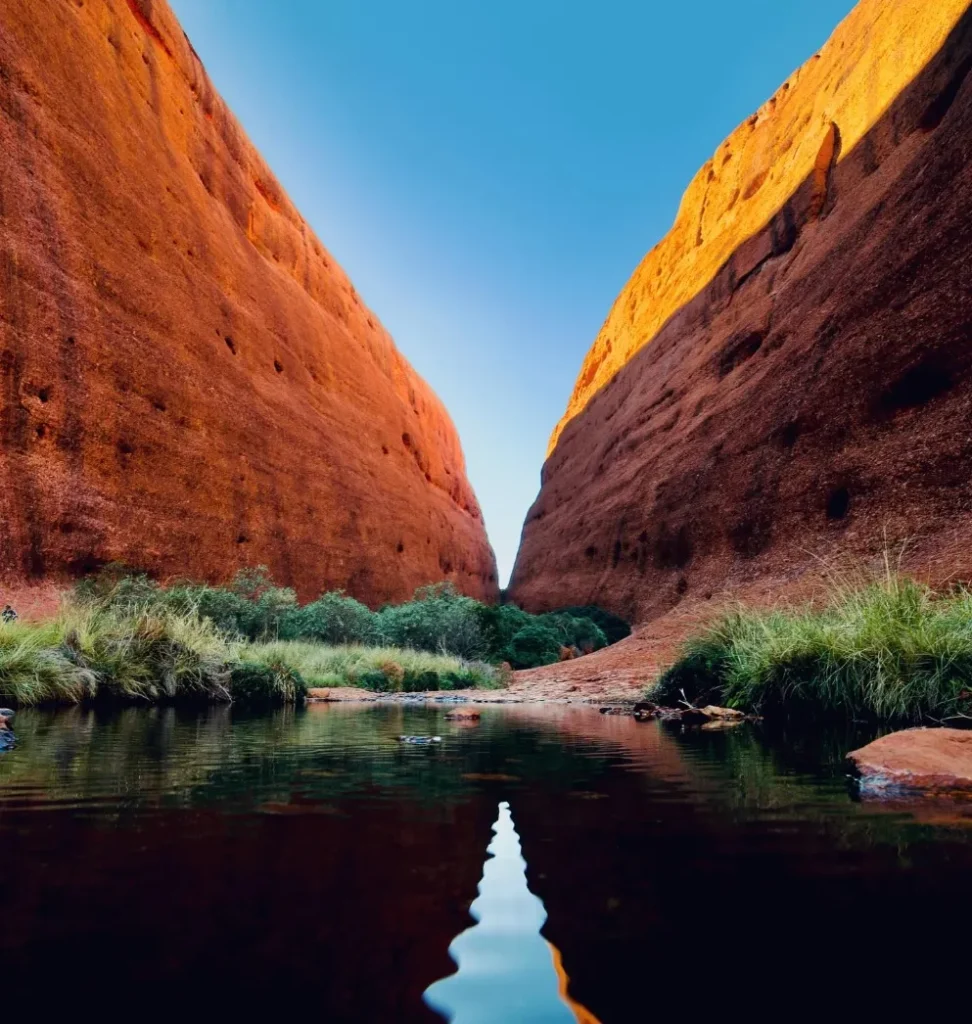
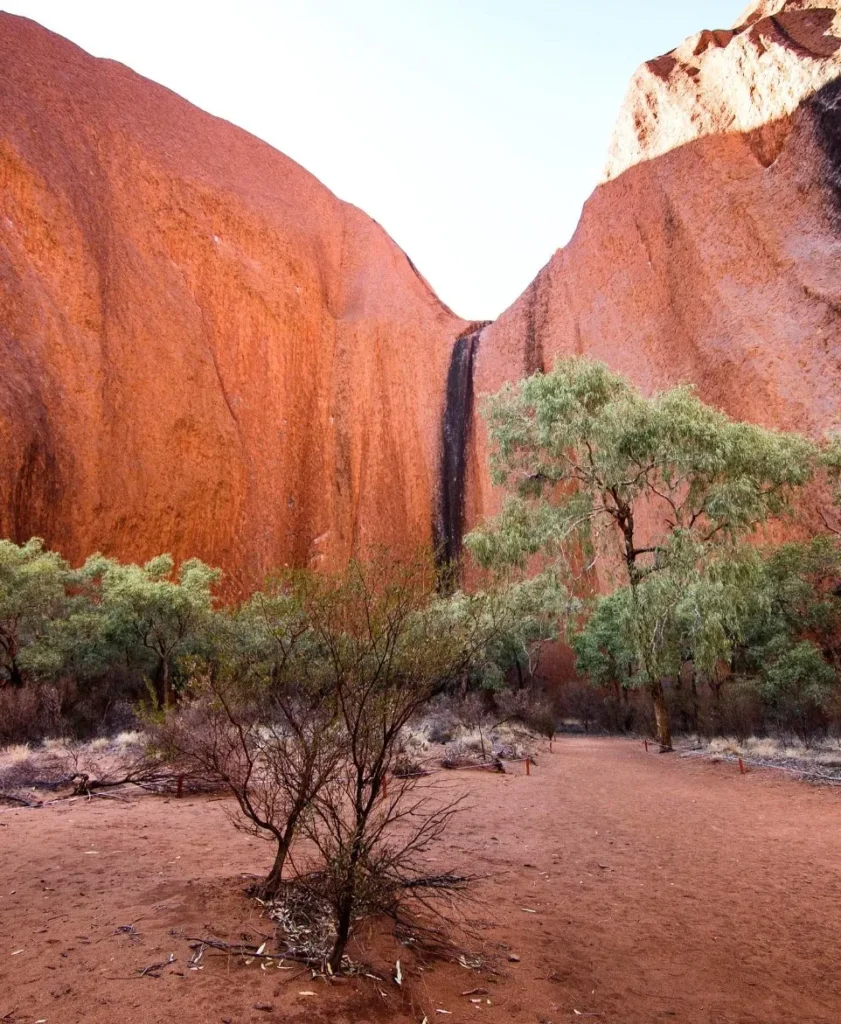
In between these places, Aboriginal people engage with their cultural heritage that has been conserved throughout generations. This may include traditional stories shared during guided Uluru tour or spiritual experiences, among others, or modern conservation efforts in managing this national park with respect for both traditional law and environmental ethics.
Reverberations of Spirit Ancestors
Crucial to the Aborigines’ religion is their knowledge of the stories about Dreaming. As a result, these myths do not just belong to the past but are part and parcel of today’s living experience. It is believed that the ancestral spirits who created the landscapes reside in Uluru and Kata Tjuta, making every cave, rock formation and natural feature on this land holy.
These stories are often shared through oral narratives that are passed down from elders to children as they grow up so that with each new generation, custodianship over the country and spiritual relationship to the country remains unbroken. Additionally, storytelling sessions are more than mere educational exercises; they act as links between times gone by and our current reality enabling Anangu people to carry forward their culture in a modernizing world.
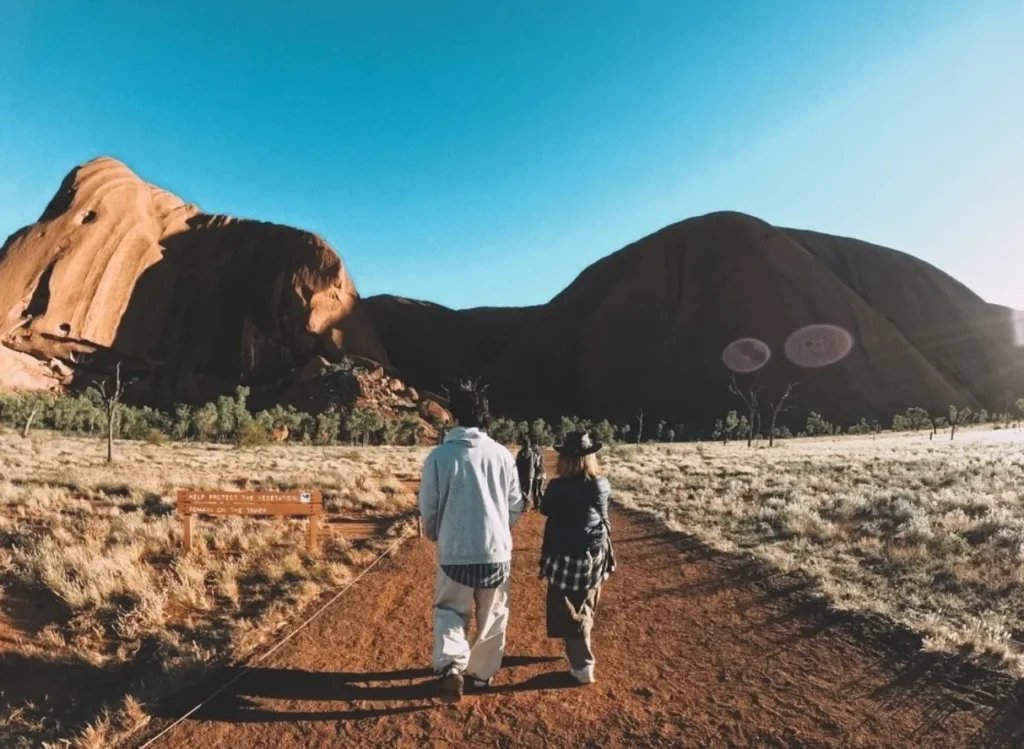
The significance of these traditions cannot be underestimated. They serve as the original title deeds that Aboriginals had for their lands long before European settlers marked out their own boundaries. Here’s an overview of some significant ones at Uluru and Kata Tjuta:
- Mala/Hare Wallaby story: Shows how Mala journeyed across Central Australia setting law and creating many safe places in desert regions.
- Liru versus Kuniya: This narrative about struggle and resolution gives an explanation for concentric circles on east side of Uluru teaching Anangu justice system lessons about fairness or revenge.
However, these tales, together with the sites where they exist, are not simply mere old histories; rather, they remain alive with voices from those who have gone ahead, rendering spiritual nourishment and fostering cultural continuity amongst Anangu communities. These ancient spirits continue to be venerated through ongoing rituals, preserving the Uluru-Kata Tjuta cultural landscape alive with meaning today.
Connection with Nature And Ancient Rock Art
As we go further into Australia’s spiritual centre, we begin to understand how deeply connected Aboriginal people are to their land. The natural landscape around Uluru is not just a venue for such cultural expressions, but it is also an integral part of the spiritual experience that awaits visitors.
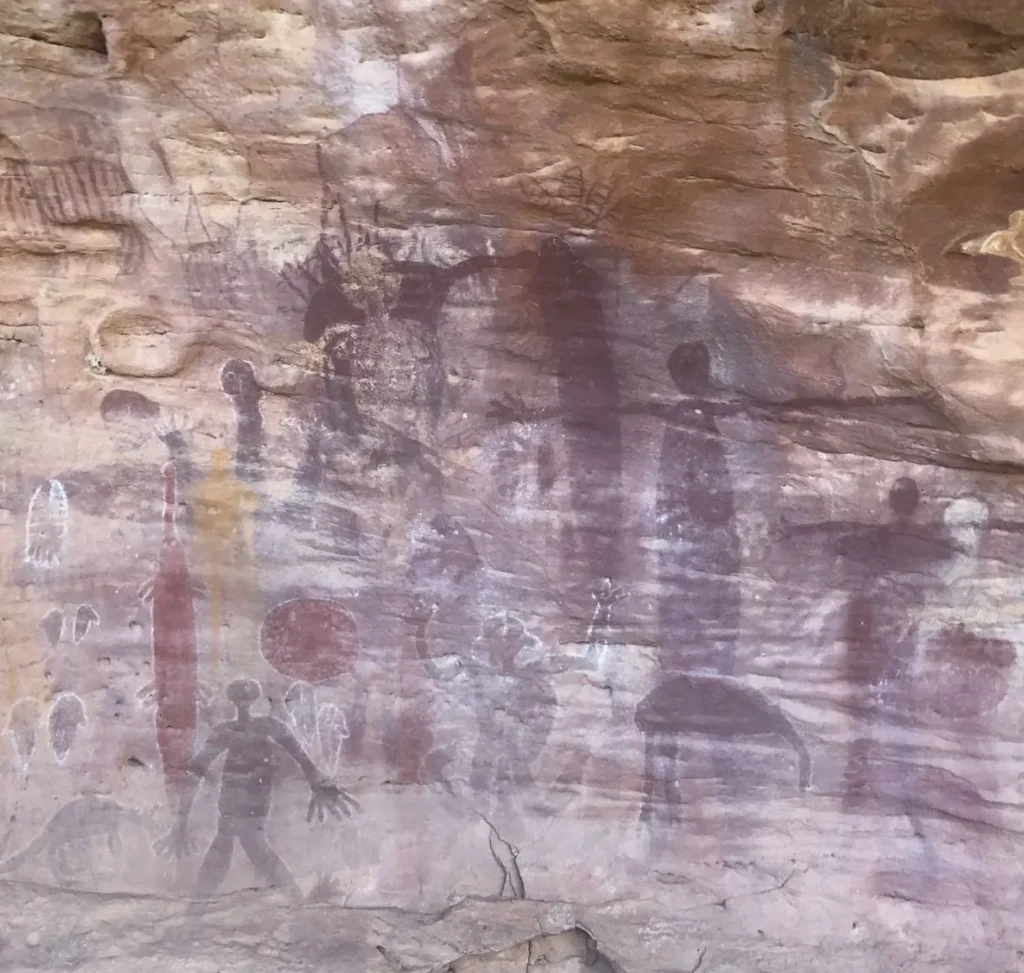
As we continue to delve into the powerful link between Anangu and their country, we explore the sensory and visual effects created by the ancient rock art at Uluru. These paintings are not mere artistic decorations; they are deeply religious and cultural icons that speak through time from long ago. Each artwork represents a thread in the tapestry of Aboriginal history interwoven into the rocks of Uluru and Kata Tjuta, telling stories about hunting, sacred ceremonies or rituals performed by the Anangu people.
Rock Art
Uluru rock painting is a great showcase of ancient culture and spiritual heritage. Some are estimated to be more than 10,000 years old, which makes them some of the oldest in the world. They depict native animal species, human figures and symbolic designs that are representative of the Aboriginal people’s interaction with their environment. The Anangu use these images to pass on cultural values, normative beliefs, and ideals. It is not just art but pages of history carved into the landscape.
Preserving this rock art is very important. Balancing education access and the preservation of these artistic masterpieces is a fine line to walk. Conservation works in tandem with cultural respect, which means that future generations will have a chance to see and learn from these ancient pieces of information. Documenting and studying the art also serves as a way for scholars and even Anangu themselves to patch together what remains of their own histories.
The following are some important things about Uluru rock art:
- Educational Tools: The art gives insight into the social structures and daily life activities of ancient Anangu.
- Spiritual Significance: Many paintings occur near ceremonial sites where they are considered sacred.
Anangu Spirituality
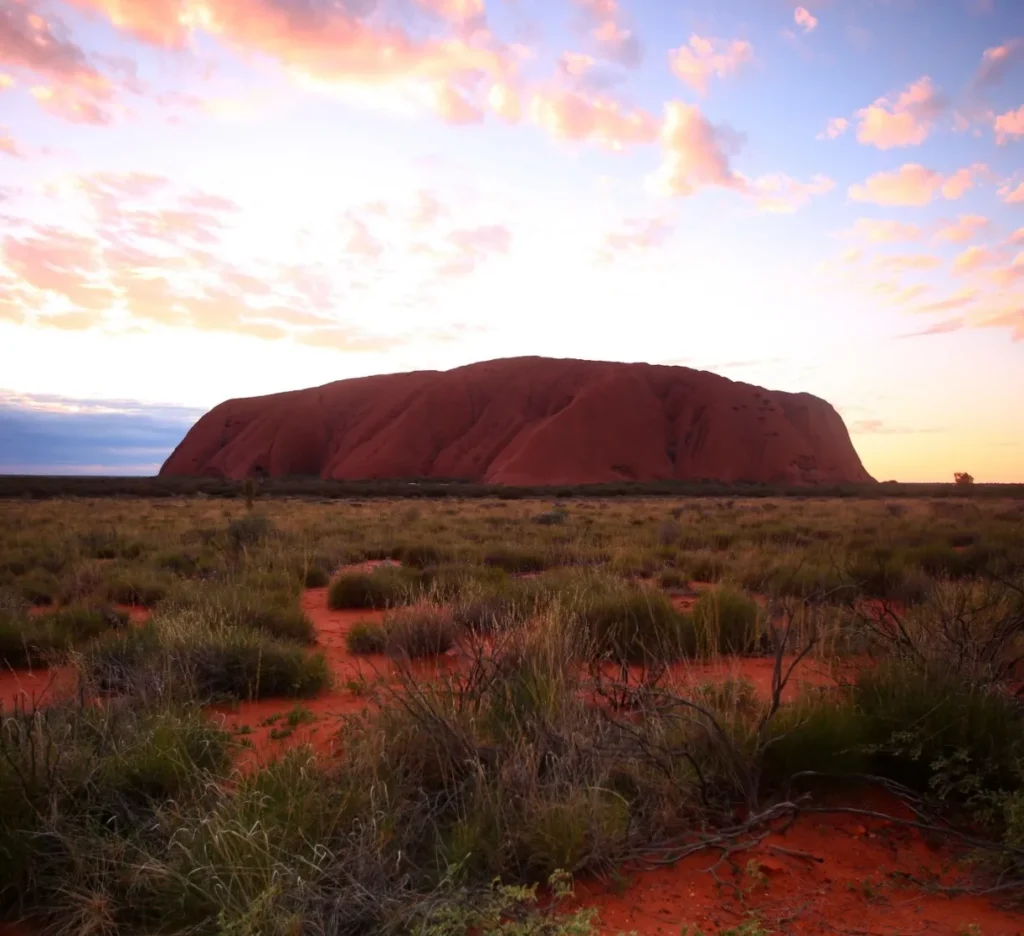
Anangu spirituality is closely connected with land; thus, it incorporates ancestor worship, totemism, dreamtime stories, and other practices. Thus, rituals carried out here not only involve religious acts but also serve nature balance and wellness goals. Such spiritual practices have been passed down through strict oral traditions, as evidenced in the everyday lives of the Anangu people, from tales told by the children up to ceremonies done by elders.
There is a significant link between Anangu spirituality and environmental management. Through song lines, which are invisible paths across the country used by aboriginals for navigation, both physical landscapes and spiritual ones are travelled by aboriginal communities such as the Anangu people who live around Uluru-Kata Juta National Park area of central Australia. Every song line is a story about the creation and meaning of the land; therefore, it provides guidance on how people should live in harmony with the land. These song lines end at particular locations where rituals are performed to honour ancestors and sustain both society and culture.
Uluru- Insights and Inspirations
The educational prospects that arise from Uluru-Kata Tjuta National Park are endless. Some come from different parts of the world to gain knowledge about one of the oldest continuous cultures on earth through guided 2 day Uluru Tour, cultural centres, and interactive displays, among other things. These programs do not only educate but also foster respect for Aboriginal culture and heritage.
Programs offered here include:
- Cultural Tours: Led by Anangu guides, these tours give visitors an authentic understanding of what they witness.
- Workshops: These often involve demonstrations of traditional crafts and preparation of bush food, among others, as well as aboriginal languages.
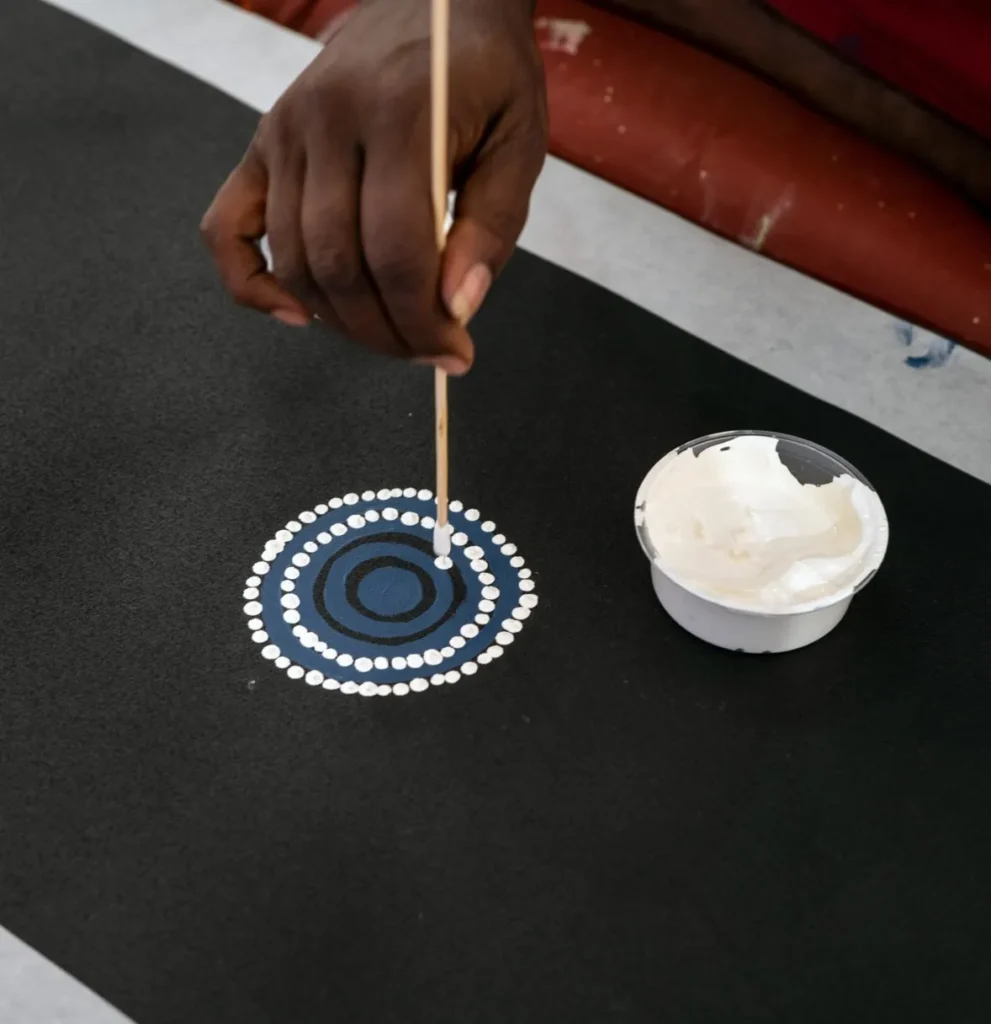
Visiting Uluru is more than just sightseeing an ancient site. It’s participating in a relationship with that site, learning why each stone matters, every story or tale told there, and how all of this gives life to a living landscape. This interaction is vital for comprehending and valuing Anangu culture deeply enough.
The Lasting Impressions of Uluru and Kata Tjuta
It’s not just a tour; it is an immersion into a realm where every stone, path and wind tell stories. The place is still alive with history, the ancestors’ spirits whispering in the draughts. This spiritual and cultural depth makes Uluru a national treasure of Australia and a priceless heritage for all humankind. We walk away from here not only with memories of amazing natural beauty but also with deep respect and a greater understanding of the rich cultural heritage of Anangu.
FAQ
Why is Uluru considered a sacred site by the Anangu?
Uluru is sacred since it believed to be housing spirit gods from which many aboriginal myths are derived. It is a special area where past meets present and future.
Can visitors participate in traditional ceremonies at Uluru?
Tourists are prohibited from participating in traditional ceremonies, which are held privately and are meant for indigenous people alone. Nonetheless, there are numerous cultural tours and presentations that give tourists insights into Anangu traditions, including some aspects of their culture.
What is the significance of the rock formations at Kata Tjuta?
Anangu believes that Kata Tjuta or The Olgas, as they are sometimes known, represent ancestral beings. The Aboriginal spiritual framework considers these formations to be men’s ceremonial sites.
How can tourists respect Uluru’s cultural sensitivity?
By staying on paths provided, avoiding climbing over Uluru itself, observing restricted areas and opting for educational day trips that enlighten about its uniqueness in culture.
What are some ways to learn about Anangu culture during a visit?
Visitors can learn more about Anangu culture through guided cultural tours, visiting the cultural centre or participating in workshops and talks that explore traditions, art, and history of Aboriginal People associated with Uluru and Kata Tjuta.